FOOD SAFETY GUIDE
Does a Recall Actually Apply to What You Bought?
A recall headline can name a brand you recognize without applying to every package that brand sells. The product details are what matter.
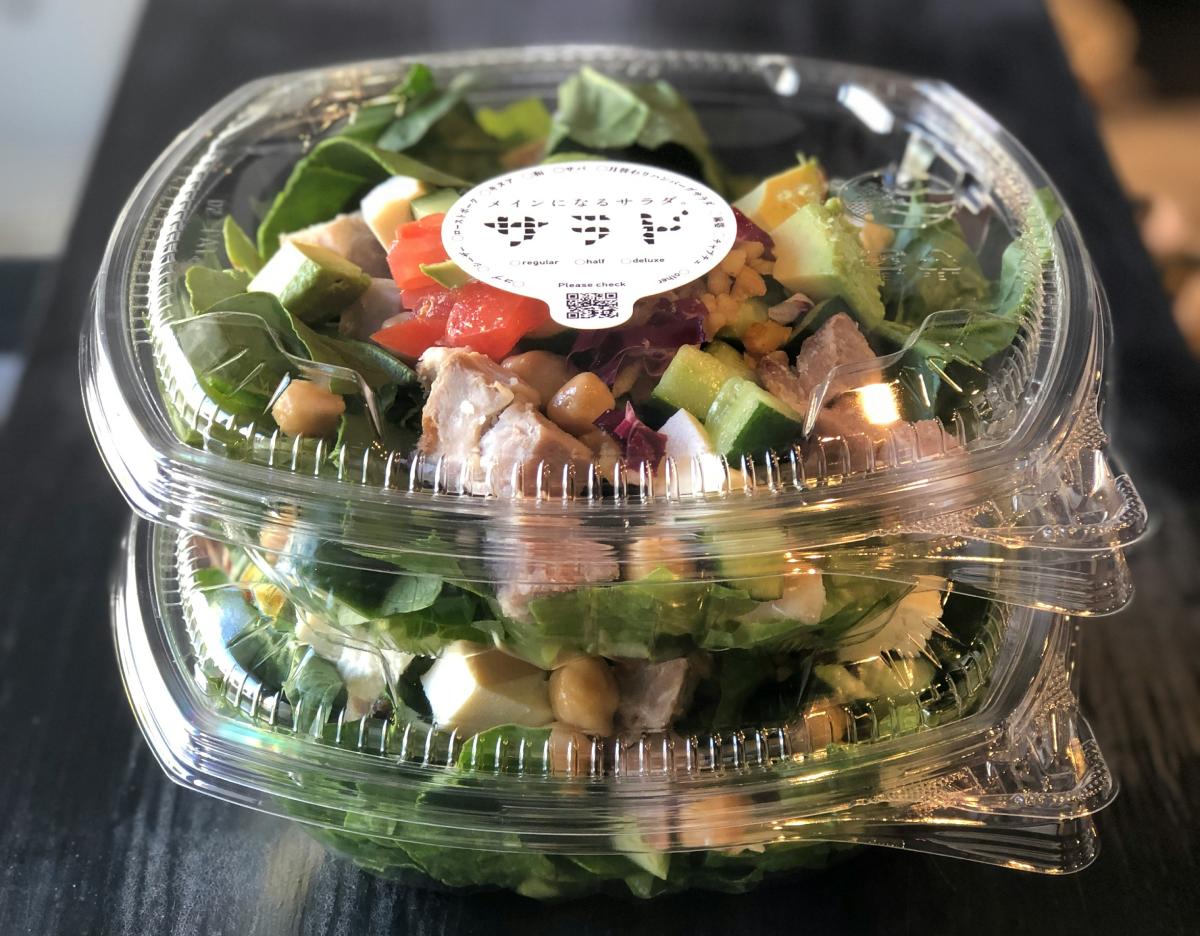
You see a headline: "Company recalls packaged salad." You've got that company's salad in your fridge. Should you toss it?
Maybe — but recalls usually apply to specific products, not everything a company sells. Here's how to check.
Check the product name. Companies often sell several similar products under the same brand. A recall on one flavor or variety doesn't automatically apply to the rest.
Check the package size. A recall might cover the 12-ounce bag but not the 24-ounce one.
Find the dates and codes. Notices often include a lot number, UPC, production code, or an expiration/best-by date. Compare these carefully — they're your best evidence.
Check where it was sold — but don't rely on this alone. Some recalls are nationwide; others hit just a few states or stores. Food moves around, so "I'm not in that state" isn't a guarantee you're safe.
Watch for updates. Recalls can expand as companies or investigators learn more — more products, more dates, more retailers. If something's actively developing, check back for the latest notice.
Don't just trust the photo. Packaging changes, and companies sell nearly identical products side by side. A matching photo is a clue — a matching name + size + lot code + date is real proof.
Still not sure? Use the official recall link. It'll have contact info and the exact steps to follow. And if a notice tells you not to eat something, don't taste-test it to check — contaminated food can look and smell completely normal.
The simple checklist
Product → Size → Lot/code → Date → Where it was sold → Official instructions
It takes a little longer than skimming a headline, but it can save you from tossing food that's actually fine — or missing the package that isn't.
Sources: FDA and USDA FSIS recall guidance.